
Podiatry for Cracked Heels in Bedford-Stuyvesant, Brooklyn: Discover the Most Effective Treatment
Cracked feet, especially in the heel area, are very common in people of all ages. While often considered a cosmetic problem, they can lead to more serious complications, such as pain when walking, bleeding, or deep infections, which require the care of a podiatry specialist. If you have ever felt uncomfortable walking barefoot or embarrassed to wear sandals because of the appearance of your feet, know that you’re not alone and that there is a safe, effective, and affordable treatment for this problem. If you are in Bedford-Stuyvesant, Brooklyn, or the surrounding area, at Be Well Primary Health Care Center you will find the solution.
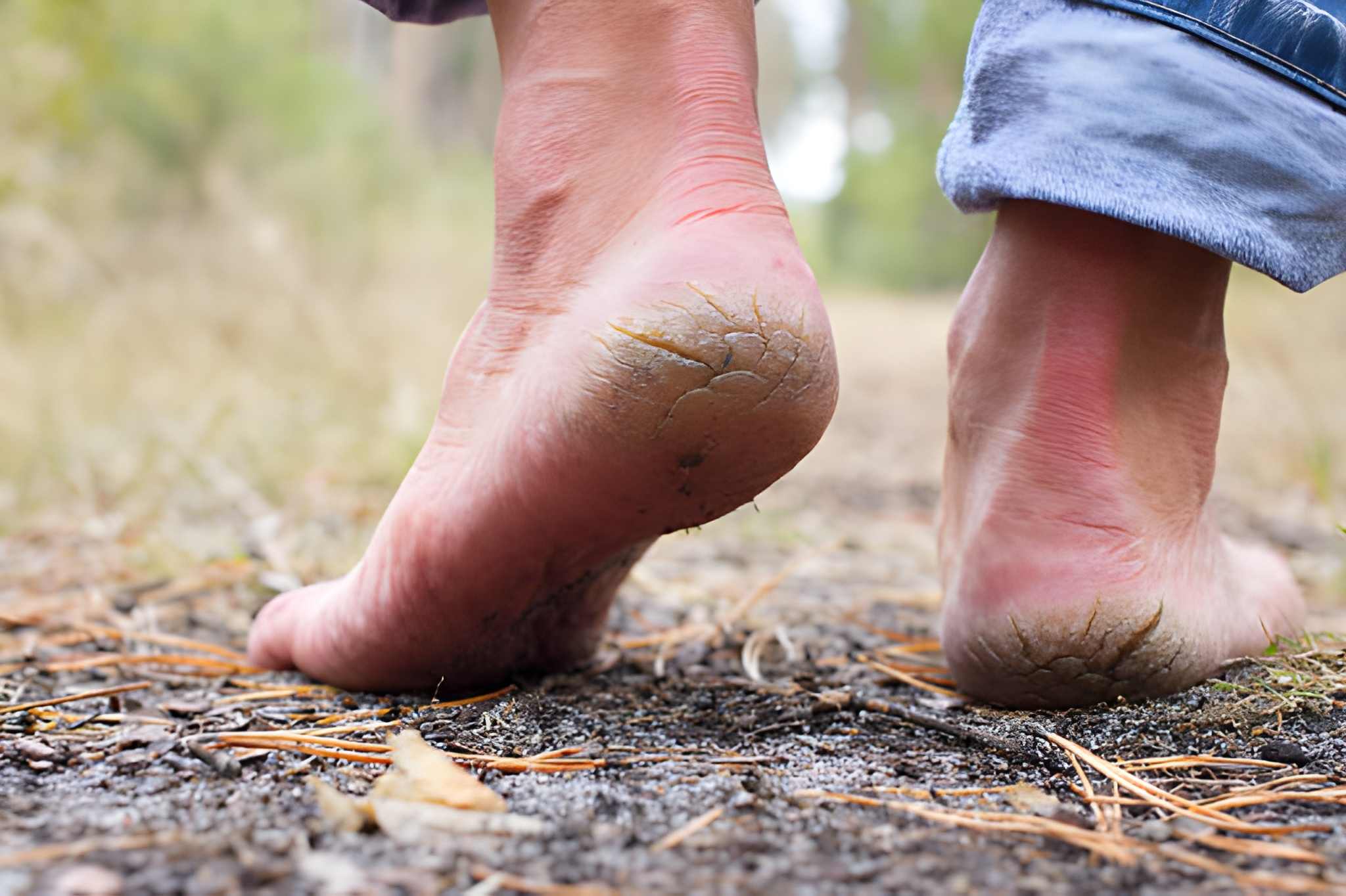
Don’t Neglect Your Feet
The skin on your feet is different from the skin on the rest of your body; it requires specific care and daily attention. There are so many constant aggressions, whether from inappropriate shoes or socks, sport, humidity, cold, heat, painful calluses, etc. Almost everything affects your feet, causing discomfort and pain.
Since your feet are at the end of your body, we sometimes don’t even remember to look at them. In winter, the situation is even worse, as they remain hidden and neglected for longer. One of the most common effects at this time of year is dryness, which causes the skin to take on a whitish appearance and become more sensitive and unsightly, which can lead to cracks.
Cracked feet are fissures in the skin caused by excessive dryness, the accumulation of dead skin, and constant pressure of the area. They usually appear on the heels, but can also spread to the soles and sides of the feet, from superficial lines to deep cuts that hurt, bleed, and become infected.
Why Do Your Heels Crack?
Many factors contribute to the appearance of cracked heels. Among the most common are:
Dehydration
The skin on the feet, especially the heel, is naturally thicker and drier. Without sufficient moisture and lipids, it loses elasticity and cracks.
Frequent Use of Open Shoes
Flip-flops, flat sandals, and barefoot shoes expose the skin of the feet to friction and a dry environment, which promotes dryness and the development of cracks.
Excessive Pressure on the Heels
People who are overweight or who spend many hours on their feet put more pressure in the heel area, which accelerates skin thickening.
Accumulation of Dead Skin
If not exfoliated and removed, dead skin accumulates, thickens, and eventually cracks, especially in dry climates.
Medical Conditions
Cracked feet are most common in people with diabetes, poor blood circulation, or skin conditions.
Related content: Health & The City: A Primary Care Guide in New York
What Can You Do at Home to Prevent Cracked Heels?
After treatment, maintenance is essential to prevent the problem from recurring. Some tips include:
- Apply urea-rich creams to your feet daily, preferably at night
- Avoid walking barefoot or in open shoes frequently
- Avoid using harsh files or blades that can cut the skin
- Hydrate your skin from the inside by drinking plenty of water
- If you have diabetes, examine your feet regularly
Ignoring the Problem Won’t Help
Although they may seem harmless at first glance, deep cracks in the skin allow fungi, bacteria, and infections to thrive. Severe conditions can manifest as open, ulcerated wounds.
There are no sebaceous glands on the sole of the foot, so the oil that emulsifies with sweat in other parts of the body to naturally lubricate the skin is absent.
The situation can be even more serious in other groups, such as diabetics. People with diabetes tend to develop more severe conditions more quickly because they already have greater sensitivity in that area. Therefore, identifying the first signs and adjusting care is essential to prevent complications.
Furthermore, pain while walking can directly affect your mobility and quality of life.
Clinical and Effective Treatment for Cracked Heels
The most effective treatment for cracked heels is performed by a clinical podiatrist, like Dr. Lydia Regis, who will assess the severity of the case and define an ideal treatment plan. The most common steps include:
Podiatric Evaluation
A professional analysis allows for an understanding of the depth of the cracks, associated causes, and possible aggravating factors, such as calluses, fungal infections, or poor foot posture.
Controlled Removal of Dead Skin
Unlike home files, podiatrists use sterilized instruments specifically designed to remove excess keratin or thick skin without further damaging healthy skin.
Deep Hydration with Professional Products
Specific podiatry creams, highly concentrated in urea, lactic acid, and panthenol, are applied, penetrating deeply into the skin layers.
Daily Care Guidelines
These include appropriate footwear, at-home hydration, hygiene habits, and, if necessary, insoles to redistribute pressure while walking.
Benefits of Specialized Podiatry Care
- Immediate relief from pain and discomfort
- Visible improvement in the appearance of your feet
- Prevention of infections and complications
- Safe care with sterilized instruments
- Personalized advice based on your skin and foot type
Read more about our service: Podiatry
Schedule Your Podiatric Evaluation in Bedford-Stuyvesant, Brooklyn
Looking for specialized treatment for cracked heels in Brooklyn? Don’t let the pain hold you back. Be Well Primary Health Care Center offers personalized, specialized clinical podiatry care with trained professionals, adequate facilities, and real results. Our podiatrist, Dr. Lydia Regis, provides solutions for those suffering from ingrown toenails and nail fungus, among other foot problems that affect daily mobility. If you are in Bedford-Stuyvesant, Brooklyn, or the surrounding area, we’re nearby, and appointments are available. Contact us today and discover how you can restore the health, beauty, and comfort of your feet.